How Pest Control Protects the Structural Integrity of Buildings

When people think about Ben’s Pest Control, the first things that usually come to mind are comfort, cleanliness, and health. While those are all important benefits, there is another critical reason pest control matters just as much—protecting the structural integrity of buildings. From homes and offices to warehouses and multi-use facilities, pests can cause extensive damage that often goes unnoticed until repairs become costly and disruptive.

pest control

Effective pest control is not just about eliminating unwanted creatures; it is about preserving the strength, safety, and longevity of a structure. By preventing infestations and addressing pest activity early, property owners can avoid serious structural issues and maintain the value of their buildings over time.

The Hidden Threat Pests Pose to Buildings

Many pests are small, quiet, and skilled at hiding. This makes them especially dangerous to buildings because damage can occur behind walls, under floors, or within support systems without immediate signs. Over time, this hidden activity weakens essential components of a structure.

Pests do not simply occupy a space; they interact with it. They chew, burrow, nest, and contaminate materials that are vital to a building’s stability. Without proper pest control, these activities can compromise both safety and functionality.

Why Structural Integrity Matters

Structural integrity refers to a building’s ability to withstand normal use, environmental pressures, and time without failing. A structurally sound building protects occupants, supports daily operations, and maintains its market value.

When pests interfere with key materials like wood, insulation, wiring, or foundational elements, they threaten this integrity. Pest control plays a vital role in ensuring that these components remain intact and functional.

Wood-Damaging Pests and Their Impact

Wood is one of the most commonly used materials in construction, making it a prime target for certain pests. When pests feed on or tunnel through wood, they reduce its strength and load-bearing capacity.

Over time, even minor infestations can lead to sagging floors, weakened walls, and compromised support beams. Pest control strategies help detect and manage these threats before irreversible damage occurs.

How Pest Activity Weakens Foundations

While foundations are designed to be durable, they are not immune to pest-related damage. Some pests create tunnels in soil, which can affect how weight is distributed beneath a building.

Changes in soil structure can lead to shifting, cracking, or uneven settling. Pest control helps maintain soil stability around foundations by reducing pest activity that disrupts the ground beneath structures.

Damage to Insulation and Interior Materials

Insulation plays a key role in energy efficiency and comfort. Unfortunately, it is also attractive to pests seeking nesting materials or shelter. When insulation is damaged or displaced, it loses effectiveness.

Pest control prevents pests from nesting within walls and ceilings, helping preserve insulation performance. This not only protects the structure but also reduces energy loss and long-term maintenance costs.

Electrical and Fire Risks Linked to Pests

Pests often chew on materials to keep their teeth from overgrowing. Electrical wiring is especially vulnerable, and damaged wires can create serious fire hazards.

By implementing pest control measures, property owners reduce the risk of exposed wiring and electrical failures. Protecting these systems is essential for both safety and structural reliability.

Moisture Problems and Pest Infestations

Moisture and pests often go hand in hand. Leaks, condensation, and poor ventilation create conditions that attract pests while also weakening building materials.

Pest control professionals often identify moisture issues during inspections. Addressing these problems early helps prevent rot, corrosion, and mold growth that can undermine structural integrity.

Pest Control as Preventive Maintenance

Preventive maintenance is one of the most cost-effective ways to protect a building. Pest control is a key part of this approach because it stops damage before it begins.

Regular inspections and treatments allow issues to be identified early. This proactive strategy helps avoid major repairs and extends the lifespan of structural components.

Early Detection Saves Structural Components

One of the biggest advantages of pest control is early detection. Subtle signs of pest activity can indicate larger problems developing behind the scenes.

By catching infestations early, pest control reduces the extent of damage to wood, insulation, and other materials. Early action preserves structural integrity and prevents escalation.

Long-Term Cost Savings Through Pest Control

Structural repairs can be expensive, especially when damage affects load-bearing elements. Pest control helps avoid these costs by preventing infestations that lead to serious deterioration.

Over time, investing in pest control is far more affordable than repairing floors, walls, or foundations compromised by unchecked pest activity.

Protecting Load-Bearing Structures

Beams, joists, and support columns are essential to a building’s stability. When pests damage these elements, the entire structure is put at risk.

Pest control protects load-bearing components by eliminating pests that feed on or weaken them. This protection is essential for maintaining safety and compliance with building standards.

Preserving Roofing and Attic Spaces

Roofing systems and attic spaces are often overlooked but highly vulnerable to pests. Nesting, chewing, and moisture buildup in these areas can weaken roofing materials.

Pest control helps maintain the integrity of roofs by preventing infestations that lead to leaks, sagging, or material breakdown.

Pest Control and Building Longevity

A well-maintained building lasts longer and performs better over time. Pest control contributes directly to longevity by reducing wear caused by biological damage.

Structures that receive regular pest control tend to require fewer major renovations. This long-term protection supports durability and reliability.

Protecting Commercial and Multi-Use Buildings

Commercial and multi-use buildings face unique challenges due to high traffic and complex layouts. These conditions can create multiple entry points and nesting areas for pests.

Pest control in these environments is essential for protecting structural components while minimizing disruption. A strong pest management plan supports both safety and operational continuity.

Maintaining Property Value

Structural damage can significantly reduce property value. Even the perception of pest-related issues can deter buyers or tenants.

Consistent pest control helps preserve both appearance and integrity. This protection plays a crucial role in maintaining long-term value and marketability.

Supporting Compliance and Safety Standards

Many building regulations require structures to be safe and free from hazards. Pest-related damage can lead to violations and liability concerns.

Pest control supports compliance by addressing risks that could compromise safety. This proactive approach reduces legal and financial exposure.

Integrated Pest Management and Structural Protection

Integrated pest management focuses on prevention, monitoring, and targeted action. This approach is especially effective for protecting structural integrity.

By addressing environmental conditions, entry points, and early signs of activity, integrated strategies reduce the likelihood of severe damage.

Education and Awareness in Structural Protection

Building occupants and staff play a role in pest prevention. Awareness of proper sanitation, storage, and maintenance reduces pest attraction.

Pest control programs that include education help create environments that naturally discourage infestations, supporting long-term structural health.

The Role of Regular Inspections

Inspections are essential for identifying vulnerabilities. Pest control inspections often reveal small issues that could develop into structural problems if ignored.

Routine evaluations ensure that risks are addressed promptly, keeping buildings strong and secure.

A Proactive Approach to Building Protection

Waiting until pests cause visible damage is risky and costly. Pest control offers a proactive solution that prioritizes prevention and early intervention.

This forward-thinking approach protects structures from gradual deterioration and unexpected failures.

Pest control plays a critical role in protecting the structural integrity of buildings. Beyond comfort and cleanliness, it safeguards the materials and systems that keep structures safe, stable, and functional.

By preventing infestations, identifying vulnerabilities, and addressing problems early, pest control helps preserve strength, reduce repair costs, and extend the life of buildings. Whether residential or commercial, investing in pest control is an essential step toward long-term structural protection and peace of mind.
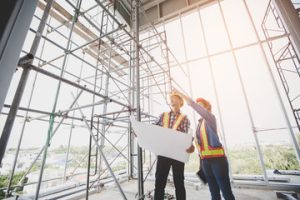
How to Choose the Right General Contractor for Your Construction Project

Choosing the right General Contractors In Nashville TN can make or break your construction project. Whether you are planning a residential build, a commercial renovation, or a large-scale structural upgrade, the contractor you hire will influence timelines, budget management, workmanship quality, and overall project success. Construction projects involve multiple moving parts—design coordination, permits, subcontractors, materials, inspections, and scheduling. A qualified general contractor acts as the central manager, ensuring every element works together smoothly. Without the right professional leading the process, even the most well-planned project can face delays, cost overruns, and unnecessary stress.

general contractor

In today’s competitive construction industry, homeowners and property developers have access to many contractors offering similar services. However, not all contractors bring the same level of expertise, transparency, and reliability. Understanding how to evaluate and choose the right general contractor requires more than comparing price quotes. It demands research, careful communication, and a clear understanding of your project goals. By following a structured selection process, you can secure a partnership that protects your investment and delivers high-quality results.

Understand the Role of a General Contractor

Before beginning your search, it’s important to understand what a general contractor actually does. A general contractor oversees the entire construction project from start to finish. This includes coordinating subcontractors, ordering materials, managing timelines, securing permits, and ensuring that the project complies with building codes and safety regulations. In many cases, the general contractor also serves as the primary point of communication between the property owner, architects, designers, and specialized trades.

Because construction projects often involve electricians, plumbers, carpenters, roofers, and other specialists, having one experienced professional managing these teams reduces confusion and inefficiencies. The right general contractor ensures that work is completed in the correct sequence, materials arrive on time, and quality standards are consistently maintained. Choosing a contractor with a deep understanding of project management can significantly reduce the risks commonly associated with construction.

Define Your Project Scope Clearly

One of the most common mistakes property owners make is searching for a contractor before clearly defining their project scope. Without detailed plans and expectations, it becomes difficult to evaluate whether a contractor is truly qualified for your needs. A clear project scope includes design goals, material preferences, estimated budget range, and timeline expectations.

When your project requirements are well-defined, contractors can provide accurate estimates and realistic schedules. This clarity prevents misunderstandings later in the process. It also allows you to compare proposals more effectively, since each contractor will be bidding on the same scope of work rather than making assumptions. The more detailed your project outline, the smoother the selection and execution phases will be.

Verify Licensing, Insurance, and Credentials

One of the first screening steps when choosing a general contractor is confirming proper licensing and insurance. Professional credentials protect both you and the contractor. Licensed contractors have typically met regulatory requirements, passed examinations, and demonstrated knowledge of building codes and industry standards.

Insurance is equally important. At a minimum, a reputable general contractor should carry:

  1. General liability insurance to cover property damage or accidents.
  2. Workers’ compensation insurance to protect against employee injuries on-site.

Failing to verify these credentials can expose you to legal and financial risks. Always request documentation and confirm that coverage is current. Working with a properly insured contractor ensures peace of mind and demonstrates professionalism.

Evaluate Experience and Specialization

Not all general contractors specialize in the same types of construction projects. Some focus on residential homes, while others handle commercial builds or specialized renovations. Experience within your specific project category matters significantly. A contractor with years of experience in large-scale commercial work may not be the best fit for a detailed residential remodeling project, and vice versa.

When evaluating experience, ask about previous projects that are similar in size and complexity to yours. Consider the following:

  1. How long has the contractor been in business?
  2. What types of projects do they most frequently complete?
  3. Can they provide examples of comparable work?

Reviewing past work gives you insight into craftsmanship, design execution, and overall quality. Contractors who confidently showcase their portfolios often take pride in their work and maintain consistent standards.

Assess Communication and Transparency

Effective communication is one of the most overlooked yet critical factors in selecting the right general contractor. Construction projects involve ongoing decisions, adjustments, and problem-solving. A contractor who communicates clearly and consistently can prevent small issues from escalating into major setbacks.

During initial consultations, pay attention to how the contractor responds to questions. Are they patient, thorough, and transparent? Do they explain technical aspects in a way that is easy to understand? A reliable contractor should be willing to discuss project timelines, payment schedules, material options, and potential challenges openly.

Transparency also extends to documentation. Written contracts, detailed proposals, and itemized estimates demonstrate professionalism and accountability. Avoid contractors who rely solely on verbal agreements or vague pricing structures. Clear documentation protects both parties and establishes expectations from the outset.

Compare Detailed Estimates Carefully

While budget considerations are important, choosing the lowest bid can sometimes lead to future complications. Extremely low estimates may indicate shortcuts in materials, labor, or project oversight. Instead of focusing solely on price, compare what each proposal includes.

A comprehensive estimate should outline:

  1. Labor costs
  2. Material specifications
  3. Timeline projections
  4. Payment schedules
  5. Contingency allowances

By reviewing detailed estimates, you can better understand how contractors allocate resources and whether their pricing aligns with market standards. Value, rather than cost alone, should guide your decision. A slightly higher investment in a qualified contractor often results in better workmanship and fewer unexpected expenses.

Check References and Reviews

Reputation is a powerful indicator of reliability in the construction industry. Ask potential contractors for references from recent clients and take the time to follow up. Speaking directly with past customers provides insight into the contractor’s professionalism, punctuality, problem-solving skills, and overall satisfaction levels.

Additionally, review online testimonials and ratings. While no contractor will have a perfect record, consistent positive feedback suggests a strong track record. Pay attention to how contractors respond to negative reviews. Professional responses demonstrate accountability and a willingness to resolve issues.

Word-of-mouth recommendations can also be valuable. Referrals from trusted colleagues or friends who have completed similar projects often lead to dependable partnerships.

Understand Project Management Approach

Every general contractor has a unique approach to project management. Some use advanced scheduling software and digital communication platforms, while others rely on more traditional methods. Regardless of the tools used, organization and consistency are key.

Ask contractors how they manage subcontractors, track progress, and handle unexpected changes. A well-organized contractor will have systems in place to monitor timelines, control budgets, and maintain quality standards. They should also provide regular updates to keep you informed throughout the construction process.

Understanding how issues are handled is equally important. Construction projects frequently encounter unforeseen challenges such as material delays or structural discoveries. A proactive contractor addresses these challenges efficiently and communicates solutions clearly.

Review Contracts Thoroughly

Before signing any agreement, carefully review the contract terms. A professional construction contract should clearly define the scope of work, project timeline, payment schedule, warranty details, and dispute resolution procedures. Ambiguities in contracts can lead to disagreements and delays.

Make sure the contract includes change order procedures. Changes are common in construction, and a structured process ensures that adjustments are documented and approved before work proceeds. This protects both your budget and the contractor’s workflow.

Never feel pressured to sign a contract without fully understanding its terms. Taking the time to clarify details upfront prevents complications later in the project lifecycle.

Evaluate Professionalism and Work Ethic

Professionalism extends beyond credentials and paperwork. It includes punctuality, organization, respect for your property, and overall conduct. From the first meeting, observe how the contractor presents themselves and their business. Clear communication, timely responses, and thorough documentation signal reliability.

A contractor’s work ethic often reflects their company culture. Teams that prioritize safety, cleanliness, and efficiency typically deliver consistent results. Visiting an active job site, if possible, can provide insight into how projects are managed day-to-day.

Trust your instincts during this evaluation phase. Construction projects require close collaboration, and feeling comfortable with your contractor fosters a more productive working relationship.

Consider Long-Term Support and Warranty

A quality general contractor stands behind their work even after project completion. Warranty policies demonstrate confidence in workmanship and materials. Ask about post-construction support, inspection procedures, and how issues are addressed if they arise after the project is finished.

Long-term support matters because construction is a significant investment. Knowing that your contractor will respond promptly to concerns provides reassurance and enhances overall project satisfaction.

Choosing the right general contractor for your construction project requires careful research, clear communication, and thoughtful evaluation. From verifying credentials to reviewing contracts and assessing experience, each step plays a vital role in securing a successful outcome. By focusing on value, professionalism, and transparency rather than price alone, you position your project for efficiency and quality.

A skilled general contractor does more than manage construction—they coordinate teams, anticipate challenges, maintain schedules, and protect your investment. When selected thoughtfully, the right contractor becomes a trusted partner who transforms your vision into reality with precision and reliability. Taking the time to make an informed decision today ensures that your construction project progresses smoothly, stays within budget, and delivers lasting results for years to come.